Treatment of scars in NYC is a complex process and is highly dependent on each scar’s unique characteristics. Many scars call for a combination of treatments. For scars that are large, highly visible, or deep, it is best to consult with a dermatologist at PFRANKMD to find out which treatment or combination of treatments is recommended.
Scars
What Are Scars?
A scar is a growth of tissue marking the spot where skin has healed after an injury. Scars are part of the natural healing process after an injury. Scars are categorized into various types depending on factors like their cause, location, depth, and size. The following types of scars can occur:
-
Acne Scars
-
Pitted Scars
-
Burns
-
Surgical Scars
-
C-Section Scars
-
Stretch Marks
-
Wound Scars
-
Keloid Scars
-
Hypertrophic Scars
Acne scars may be pitted, wavelike, or angular, while hypertrophic scars appear raised and red. Keloid scars are also raised and extend beyond the injury, while contracture scars appear tight as if pulled together around the edges.
Our Scar Treatment Options
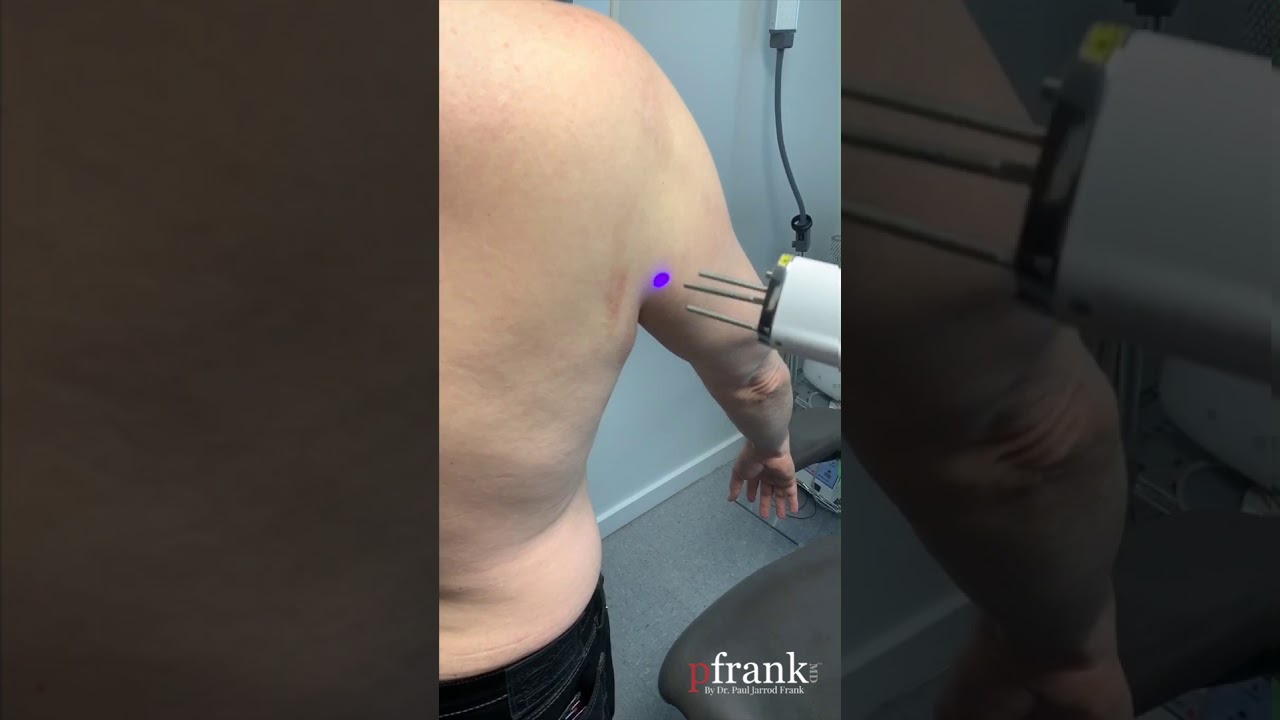
Scars can be treated and improved in a variety of ways. Sometimes, a combination of therapies can be used to treat scars. We perform the following treatments:
-
Cortisone or Kenalog Treatments – Cortisone or Kenalog steroid injections can treat keloid scars and hypertrophic scars.
-
Excimer UVB Laser – This phototherapy treatment is ideal for white scars.
-
PICO Laser – PICO laser treatment uses laser energy to address hyperpigmented scars.
-
Vbeam Laser Treatment – This pulsed-dye laser effectively treats red scars.
-
Microdroplet Silicone – Injections of microdroplets of silicone can be used to fill in indented scars. This process also stimulates collagen production in the area.
-
Fraxel Repair – This ablative fractional laser treatment vaporizes scar tissue in hypertrophic scars and acne scars, stimulating the body’s natural healing process.
-
Fraxel Restore – Fraxel Restore’s non-ablative fractional laser energy encourages new collagen production. This gradually and naturally fills in acne scars.
-
Ellacor – Ellacor uses hollow needles to remove tissue sections from acne scars. As a result, the body’s healing process fills in these scars.
The type of treatment protocol, number of treatments, and length of treatment sessions required is determined by the severity of the scar and will be discussed during your scar teratment consultation.
Ideal Candidates for Scar Treatment
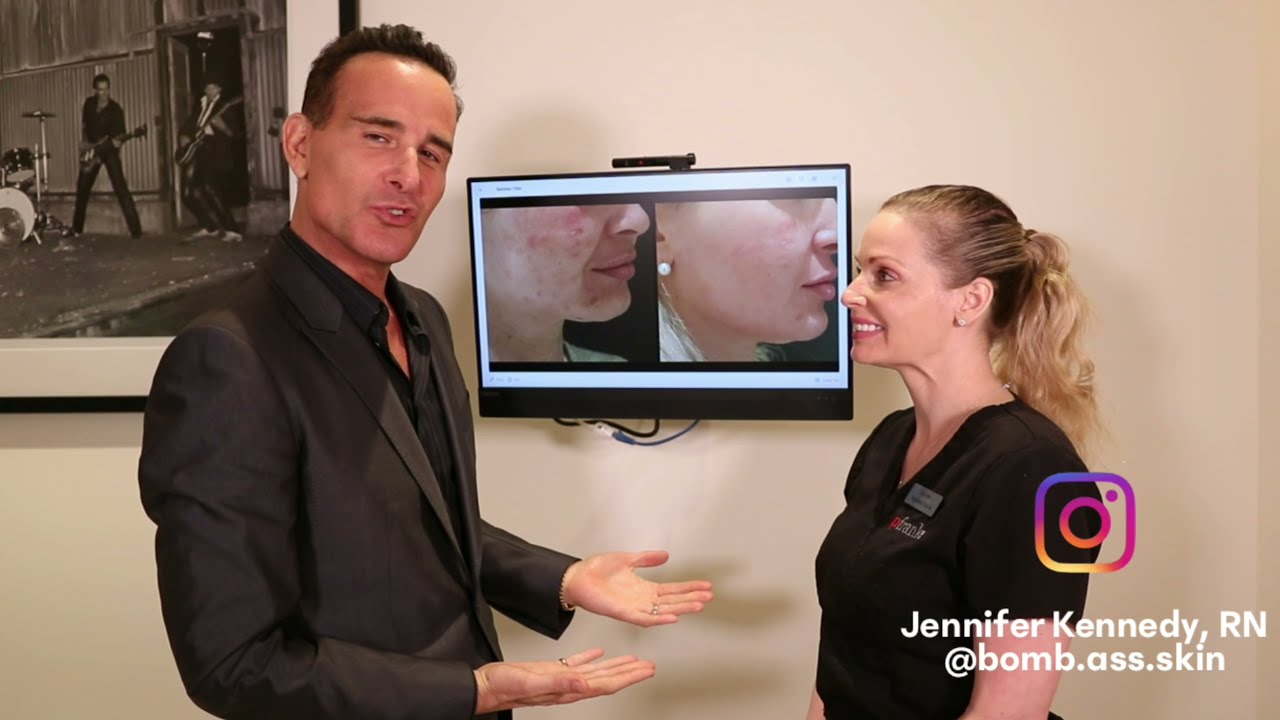
If you have scars that are situated in visible areas such as your hand or face, you may be a good candidate for scar treatment. If you have recently undergone surgery, you may be eligible for these techniques to prevent the development of keloid or hypertrophic scars. You may also be recommended for treatment if your scar limits your ability to move certain parts of your body.
Both surgical and nonsurgical scars should be treated sooner rather than later. The longer a scar stays red and inflamed, the worse it will look in the end. That’s why it’s essential to treat scars early.
After Your Scar Treatment
After your scar treatment, you likely won’t require any downtime or recovery time. Non-invasive and minimally invasive techniques allow for quicker healing than surgical treatments. Temporary swelling, redness, or bruising may be experienced. You will be given specific aftercare instructions depending on the chosen treatments.
Cost of Treatment for Scars
The cost of scar removal varies from one patient to another due to the personalized approach applied for each individual. The overall price may be impacted by the number and size of the scars being treated. The expenses will also reflect the complexity of the procedure and number of total sessions needed.
SOCIAL MEDIA
𝐇𝐨𝐰 𝐭𝐨 𝐓𝐫𝐞𝐚𝐭 𝐁𝐫𝐚 𝐅𝐚𝐭 𝐚𝐧𝐝 𝐁𝐚𝐜𝐤 𝐋𝐚𝐱𝐢𝐭𝐲: 𝐌𝐢𝐜𝐫𝐨𝐋𝐢𝐩𝐨𝐬𝐮𝐜𝐭𝐢𝐨𝐧 𝐚𝐧𝐝 𝐒𝐤𝐢𝐧 𝐓𝐢𝐠𝐡𝐭𝐞𝐧𝐢𝐧𝐠 𝐒𝐨𝐥𝐮𝐭𝐢𝐨𝐧𝐬
Bra fat and back laxity are common concerns, especially for middle-aged patients. While traditional back tuck procedures can require extended scars and significant downtime, there are now minimally invasive options that can achieve dramatic improvement.
Using microliposuction, we can precisely remove small pockets of fat that accumulate along the bra line and upper back. This technique is often combined with advanced energy-based technologies like BodyTite and VASER, which help tighten the skin while improving contour and definition.
The result is a smoother back profile, reduced bulging around the bra line, and improved skin firmness without the need for large surgical scars. Treatment is customized for each patient based on the degree of fat and skin laxity, often allowing meaningful improvement with a minimally invasive approach and a relatively quick recovery.


Rosacea isn’t one-size-fits-all.
This patient has papular rosacea, a subtype characterized by persistent redness and acne-like bumps. Successful treatment requires precision and personalization, often combining oral therapy, targeted topicals, and strategic laser treatments to calm inflammation and restore skin balance.
At PFRANKMD, we don’t chase symptoms. We design comprehensive, science-backed plans that treat the root cause.
If you’re struggling with rosacea, the right approach can transform your skin. Schedule a consultation to create a plan tailored to you.
Treatment performed by: @dr.connieyang

𝐑𝐞𝐝𝐮𝐜𝐞 𝐁𝐫𝐞𝐚𝐬𝐭 𝐒𝐜𝐚𝐫𝐫𝐢𝐧𝐠 𝐀𝐟𝐭𝐞𝐫 𝐒𝐮𝐫𝐠𝐞𝐫𝐲
Treat your post-surgery scars with a comprehensive, customized approach. In the before and after seen here, we addressed scarring following a breast lift to reduce pigment and improve texture for a more seamless finish. Scar correction can begin as early as four weeks post-op, and the sooner treatment begins, the better the outcome.
At PFRANKMD, we use a variety of advanced modalities including Miria, pigment-targeting lasers, and microneedling. Treatment is always customized based on your skin type, scar location, and healing progress. There is no one-size-fits-all approach when it comes to your skin.
The results shown here are after just one treatment. This patient will continue monthly sessions until the scar is fully resolved.
Call (212) 327-2919 to schedule your consultation.

𝐓𝐫𝐞𝐚𝐭𝐢𝐧𝐠 𝐏𝐨𝐬𝐭-𝐈𝐧𝐟𝐥𝐚𝐦𝐦𝐚𝐭𝐢𝐨𝐧 𝐏𝐢𝐠𝐦𝐞𝐧𝐭𝐚𝐭𝐢𝐨𝐧: 𝐄𝐚𝐫𝐥𝐲 𝐈𝐧𝐭𝐞𝐫𝐯𝐞𝐧𝐭𝐢𝐨𝐧 𝐈𝐬 𝐀𝐥𝐰𝐚𝐲𝐬 𝐁𝐞𝐬𝐭 𝐟𝐨𝐫 𝐒𝐮𝐜𝐜𝐞𝐬𝐬
Post-inflammatory pigmentation can develop after trauma to the skin, including injuries such as this patient’s wound on her arm following a Citibike accident. One of the most important distinctions we make is the difference between permanent scarring and treatable pigmentation. While scars represent structural changes in the skin, post-inflammatory hyperpigmentation and staining are often highly responsive to early, strategic intervention.
At PFRANKMD, we take a comprehensive, multi-device approach to optimize healing and aesthetic outcomes. Combining advanced Pico laser technology with targeted topical therapies allows us to effectively break up excess pigment, stimulate healthy skin turnover, and minimize the risk of long-term discoloration.
Early treatment is key. Prompt intervention not only improves outcomes but also reduces downtime and helps prevent pigmentation from becoming more resistant over time. Addressing inflammation and discoloration in the initial stages of healing supports smoother recovery and more predictable results.
Click the link in bio or call our office at 212-327-2919 to schedule a consultation.

An amazing before and after scar transformation treating a patient who experienced slash trauma that was surgically repaired, followed by a series of laser treatments months later. Combining V-beam vascular laser treatments with Miria non-ablative treatments proved to be the key to making this scar almost imperceptible, resulting in a very happy patient.

Acne and Acne Scar Journey
Click th link in bio to schedule a consultation 👆

𝐌𝐢𝐫𝐢𝐚: 𝐀𝐝𝐯𝐚𝐧𝐜𝐞𝐝 𝐍𝐨𝐧 𝐀𝐛𝐥𝐚𝐭𝐢𝐯𝐞 𝐒𝐤𝐢𝐧 𝐑𝐞𝐣𝐮𝐯𝐞𝐧𝐚𝐭𝐢𝐨𝐧 𝐟𝐨𝐫 𝐅𝐢𝐧𝐞 𝐋𝐢𝐧𝐞𝐬, 𝐂𝐫𝐞𝐩𝐞𝐲 𝐒𝐤𝐢𝐧, 𝐚𝐧𝐝 𝐓𝐞𝐱𝐭𝐮𝐫𝐞
Miria is a non invasive treatment that reduces fine lines, softens wrinkles, improves crepey skin, and enhances overall texture with minimal downtime. The device delivers cone shaped heat deep into the dermis to stimulate collagen, tighten skin, and support long term maintenance for patients who want smoother, firmer, more youthful looking skin without the recovery of ablative lasers.
Watch the video to see how this technology penetrates deeply, creates controlled heat, and rejuvenates the skin while keeping recovery minimal and treatment tolerable.
Click the link in bio to learn if this treatment is right for you.

𝐇𝐨𝐰 𝐭𝐨 𝐈𝐦𝐩𝐫𝐨𝐯𝐞 𝐚 𝐂-𝐬𝐞𝐜𝐭𝐢𝐨𝐧 𝐒𝐜𝐚𝐫 👇
The biggest mistake I see? Waiting too long.
Scars heal best when they’re treated early. Addressing a C-section scar in the initial healing phase helps reduce inflammation, prevent excess scar tissue, and minimize how visible the scar becomes long-term.
Here, I’m using pulsed dye laser therapy to target a C-section scar while it’s still red and inflamed. This treatment calms excess blood vessels in the scar, helping reduce redness and lower the risk of keloid or hypertrophic scar formation.
In most cases, treatment can begin six to eight weeks after delivery, once your OB/GYN gives clearance. In select cases, it may start as early as four weeks. Timing matters. A red, active scar is far more responsive to treatment than a scar that’s been left to mature unchecked.
As I say, “The sooner you clean up your room, the less dirty it gets over time, and the less work you have to do to remove it.”
Treatments are typically performed monthly until the scar is flat, calm, and barely noticeable.
For more information on scar treatment options and to find the right technology for your skin, call (212) 327-2919 to schedule a consultation.

𝐒𝐭𝐫𝐞𝐭𝐜𝐡 𝐌𝐚𝐫𝐤𝐬 & 𝐒𝐤𝐢𝐧 𝐋𝐚𝐱𝐢𝐭𝐲: 𝐕𝐛𝐞𝐚𝐦 + 𝐌𝐢𝐫𝐢𝐚
Stretch marks and skin laxity often develop as a result of pregnancy, weight fluctuations, or the natural aging process. At PFRANKMD, we combine the Vbeam laser and Miria laser to effectively address both concerns.
Miria uses advanced non-ablative laser technology to heat the deeper layers of the skin, improving elasticity and firmness by stimulating new collagen and elastin production.
Vbeam targets redness and discoloration in stretch marks by reducing vascular inflammation and stimulating collagen remodeling for a more even skin tone.
Together, these treatments work synergistically to reduce the appearance of stretch marks and restore smoother, tighter, and more youthful-looking skin with minimal downtime.
To learn more or schedule a consultation, call (212) 327-2919 or click the link in bio.

𝐎𝐩𝐭𝐢𝐦𝐚𝐥 𝐓𝐢𝐦𝐢𝐧𝐠 𝐟𝐨𝐫 𝐋𝐚𝐬𝐞𝐫 𝐒𝐜𝐚𝐫 𝐓𝐫𝐞𝐚𝐭𝐦𝐞𝐧𝐭𝐬 𝐀𝐟𝐭𝐞𝐫 𝐒𝐮𝐫𝐠𝐞𝐫𝐲
When considering laser treatments for scars following various surgical procedures like facelifts, liposuction, and breast augmentation, it’s important to understand the timing for initiation. Patients can start laser treatments as early as 2 to 6 weeks post-surgery.
This timing is contingent upon several factors, including the complete closure of the surgical wound and the removal of stitches. Once these conditions are met, laser therapy can be beneficial in minimizing the appearance of scars and enhancing the overall healing process. Early intervention with laser treatments can promote skin regeneration and reduce the risk of abnormal scarring, leading to improved aesthetic outcomes. It’s essential to consult with a qualified dermatologist or plastic surgeon to tailor a post-operative care plan that includes the appropriate timing and type of laser treatment based on individual healing and skin types.
Schedule a consultation to determine if your scars can be improved with scar therapy treatments.

𝐂𝐎𝟐 𝐋𝐚𝐬𝐞𝐫 𝐯𝐬 𝐌𝐢𝐫𝐢𝐚: 𝐔𝐧𝐝𝐞𝐫𝐬𝐭𝐚𝐧𝐝𝐢𝐧𝐠 𝐀𝐜𝐧𝐞 𝐒𝐜𝐚𝐫 𝐎𝐩𝐭𝐢𝐨𝐧𝐬
@dr.connieyang breaks down two of our most effective options for acne scarring. The CO2 laser is the gold standard for deeper collagen remodeling and more dramatic textural improvement, though it comes with a longer recovery. Miria is a novel non-ablative laser that offers controlled resurfacing with less aggressiveness and shorter downtime.
Both options can be transformative when used thoughtfully and in expert hands. At PFRANKMD, our goal is always to match the right device to the right patient for the safest, most effective pro-aging outcome.
𝐓𝐚𝐩 𝐭𝐡𝐞 𝐥𝐢𝐧𝐤 𝐢𝐧 𝐛𝐢𝐨 𝐨𝐫 𝐜𝐚𝐥𝐥 (212) 327-2919 to schedule a consultation.
•
Aesthetic and Longevity Healthcare
•
PFRANKMD| The Most Cutting-Edge Technologies| Customized Signature Treatments| Only Licensed Healthcare Professionals

𝐒𝐜𝐚𝐫𝐬 + 𝐒𝐭𝐫𝐞𝐭𝐜𝐡 𝐌𝐚𝐫𝐤𝐬 𝐀𝐟𝐭𝐞𝐫 𝐚 𝟑𝟔𝟎 𝐁𝐨𝐝𝐲 𝐋𝐢𝐟𝐭
Scars evolve over time, and so does the skin around them. This patient began with significant redness, tension, and stretch marks across the lower back and buttocks. Over the following months, you can see the scar soften, fade, and blend more naturally into the surrounding skin.
This transformation was achieved using our scar protocol, combining:
• Vbeam to reduce redness and vascularity
• Miria to improve texture, remodel the scar, and resurface surrounding stretch marks
With consistent aftercare, proper scar management, and more than 5 treatments, scars can soften, smooth, and transform beautifully. Healing is a process, and every stage of progress tells a story of strength and renewal.
The scar protocol combo for effective scar revision treatment customized for the patient. Click the link in bio to schedule a consultation.

Your Scar Treatment Consultation
An examination of your scar or scars will be performed during your consultation. We will assess the type of the scar, as well as its depth and severity, and we will ask about its cause. A review of your medical history will be conducted; you will be asked about past surgeries, current medications, and existing conditions. Finally, a treatment plan will be developed using a combination of scar-revision treatments. To begin your scar treatment, schedule a consultation with PFRANKMD by Dr. Paul Jarrod Frank.
Scar Treatment Frequently Asked Questions
I have a scar from a facelift. Are there treatments for this?
Absolutely. You’re investing so much time and money into your facial surgery. You should absolutely have a laser surgeon look at your scars starting at about 4 weeks after your procedure. There are many treatments available.
Will VBeam help a C-section scar?
C-section scars can be treated with the Vbeam at 2-4 weeks. We sometimes utilize Pico lasers, which can be used while breastfeeding.
Does the VBeam treat all kinds of scars?
Vbeam is the most commonly used laser for red and raised scars and is typically a first-line therapy for early intervention.
What is the hardest type of scar to remove?
The older the scar, the harder it is to remove. It is very difficult to treat old deep box scars and deep textural scars with pits. We can make an improvement by using specific PFRANKMD protocols.
For a thick burn scar what’s the best laser treatment?
A thick burn scar is definitely going to take a combination of treatments. A combination of cortizon or kenalog treatments in conjunction with V Beam may be the best course of action. Once it gets flat you can do other types of resurfacing treatments.
Can you fix a thin white flat scar to make it a pigmented skin color?
Yes, you can fix a thin white scar; however, unless I really think I can make at least a 50-60% improvement with technologies, I would suggest cosmetic tattooing, which also provide.
How many scar treatments does it take to see results?
The number of treatments always depends on the type of scar and what’s being used. I’ve never seen a scar that was really one and done.
What kind of scars can be treated?
Every type of scar can be treated. It’s rare that I can’t find a solution or protocol to make improvements.
How long before I can return to normal activity after the scar removal treatment?
There should be no downtime that interferes with daily activities. The majority of people could exercise, go about their daily lives, and wear makeup after their scar removal treatment.
How long should I wait before considering surgical scar removal?
You should avoid surgical revision unless the healing process went horribly wrong and you know the scar will be smaller than it was before. A skilled surgeon or laser surgeon should help make that decision.
What is the healing process for a scar treatment?
The healing process varies significantly based on the treatment used.
Which scar creams should I use?
In my experience, scar creams don’t really do much. Topical antibiotics can help with a wound until it’s healed over but for scars, I have not seen anything provide a difference. Silicone sheets can be helpful if a scar is raised.
PRP for scars?
You know how I feel about PRP, works great for hair and can be very helpful in wound healing. In terms of scars once the skin is healed and opposed, I’ve not found that much improvement from injecting PRP.
Botox for scars?
Injecting Botox in and around scars can be helpful, particularly on areas where there is muscle activity.
Should I be concerned, if I have a scar that’s itching and burning?
A scar that itches and burns may be cause for concern as it’s in what we call keloidal formation, and will continue grow. Treating these scars is in your best interest because they are in their growth phase.
Ablative vs. Non-ablative for Scars?
Ablative are laser treatments that require more downtime and used for surgical scars. When there’s irregularity, we want to do something significant for a scar, and ablative resurfacing can be performed. Non-ablative treatments require less down time. Multiple treatments are needed and can have equal to or more efficacy.
Silikon injections for scars?
If you have an indented scar from acne or trauma, we can use fillers.
What are great fillers for scars?
For really deep scars, fat transfer works great, Another one of my areas of expertise is injectable, medical grade, FDA approved, microdroplet silicone oil. Silikon 1000 can be used in conjunction with lasers for indented acne scars.